Plastic recycling requires clean material streams to protect downstream equipment and improve final product quality. In many recycling plants, plastics may contain metal contamination such as iron pieces, steel fragments, aluminum rings, aluminum caps, copper wires, screws, small metal particles, and other mixed contaminants.
If these metals are not removed early, they can damage crushers, washing lines, extruders, pelletizing equipment, and other downstream machines. Metal contamination can also reduce the quality of recycled plastic flakes or pellets and create problems for final buyers.
CurrenTek provides plastic recycling metal removal sorting solutions for customers processing PET, HDPE, PP, mixed plastics, plastic flakes, bottle waste, packaging waste, and other plastic recycling streams. According to the customer’s material condition and recovery target, CurrenTek can recommend suitable equipment combinations and complete line configurations.
What Materials Are Common in Plastic Recycling?
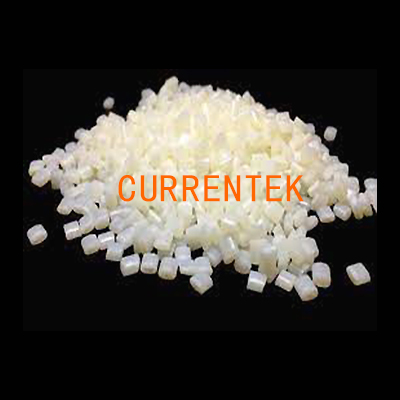
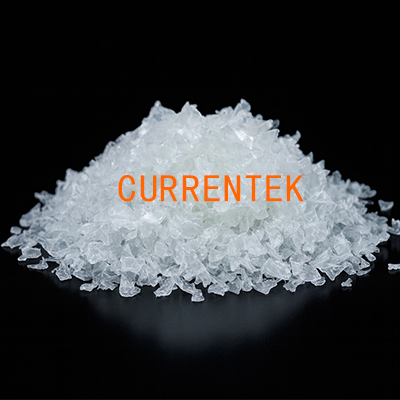
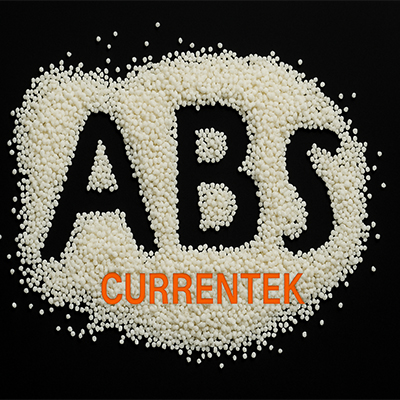
Plastic recycling streams can vary greatly. Some customers process PET bottles, some process HDPE containers, some process PP materials, and others process mixed plastics from municipal waste, packaging waste, industrial waste, or post-consumer recycling.
These material streams may contain many types of contamination. PET bottle streams may contain aluminum rings, aluminum caps, steel pieces, labels, rubber, and other packaging materials. Mixed plastic streams may contain wires, screws, small metal pieces, glass, paper, and residue. Plastic flakes may contain fine metal particles that are difficult to remove manually.
Because plastic recycling materials can be very different, the sorting process should be designed according to material type, material size range, contamination level, moisture condition, capacity requirement, and downstream equipment requirements.
Common Problems in Plastic Recycling
One common problem is ferrous metal contamination. Iron and steel pieces may enter plastic recycling streams during collection, shredding, packaging, or transportation. These pieces can damage downstream equipment and reduce product quality.
Another problem is aluminum contamination. Aluminum caps, aluminum rings, small aluminum pieces, and other conductive metals can remain mixed with plastics. These materials are especially common in PET bottle recycling, mixed packaging recycling, and plastic waste recovery.
Small metal particles are also difficult to control. After shredding or crushing, metal contaminants may become smaller and more difficult to identify. If they enter washing, extrusion, or pelletizing equipment, they may cause equipment wear, blockage, or production problems.
Non-metallic contamination is also important. Paper, labels, rubber, glass, dust, and mixed polymers may reduce the quality of recycled plastic products. In some cases, metal removal should be combined with other sorting or cleaning steps to improve final material quality.
Recommended Plastic Recycling Sorting Process
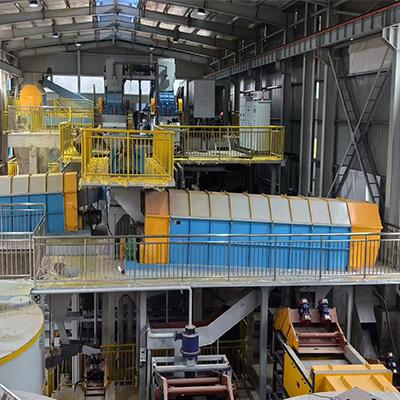
A typical plastic recycling metal removal process may include feeding, material preparation, ferrous metal removal, non-ferrous metal recovery, contamination reduction, and final quality control. The exact configuration should be adjusted according to the customer’s material condition and target product.
Material preparation helps create a stable feed for downstream equipment. If the material contains mixed sizes, dust, fine particles, or oversized pieces, size classification equipment can be used to improve feeding stability and sorting performance.
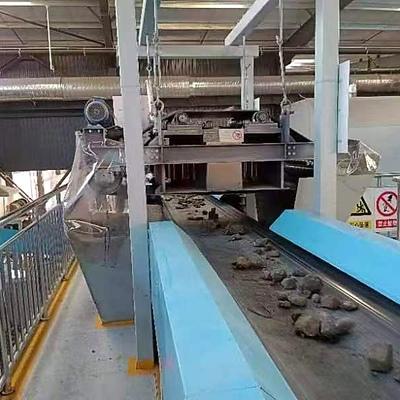
Ferrous metal removal is used to remove iron and steel from plastic recycling streams. This step is important before crushing, washing, extrusion, or pelletizing because ferrous pieces can damage equipment and reduce final product quality.
Non-ferrous metal recovery can be used to separate aluminum and other conductive metals from plastics. This step is useful for PET bottle recycling, plastic flake processing, mixed packaging waste, and other streams where aluminum caps, aluminum rings, or small metal pieces may remain in the material.
For higher product quality, intelligent sorting or manual quality control can be added when the customer needs to remove selected contaminants or improve final material consistency. The best process depends on contamination level, material type, capacity, and final product requirement.
Equipment Used in a Plastic Recycling Line
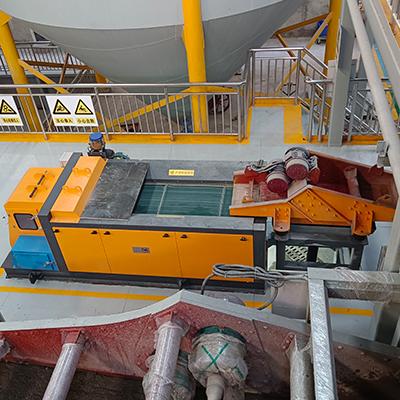
CurrenTek can provide different equipment combinations for plastic recycling metal removal projects.
Feeding equipment can be used to deliver material evenly into the sorting line.
Size classification equipment can be used to remove fine particles, control material size range, and create a more stable feed.
Ferrous removal equipment can be used to remove iron and steel pieces from plastic streams.
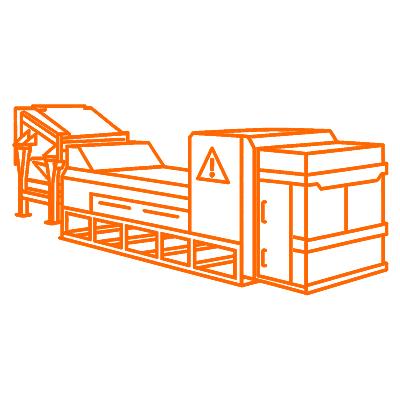
Non-ferrous recovery equipment can be used to separate aluminum and other conductive metals from plastic materials.
Intelligent sorting equipment or manual quality control can be added when higher final product quality is required.
Conveyors, platforms, feeding equipment, control systems, and customized layout support can also be included according to project requirements.
Why Metal Removal Matters in Plastic Recycling
Metal removal is important because plastic recycling equipment is sensitive to hard contaminants. Metal pieces can damage crusher blades, reduce washing line performance, block equipment, increase maintenance costs, and affect extrusion or pelletizing stability.
For PET recycling, aluminum rings and aluminum caps may remain attached to bottle material or mixed with flakes. If these contaminants are not removed, the final product may have lower purity and lower market value.
For mixed plastic recycling, metal contamination can come from packaging waste, household waste, industrial waste, cables, screws, or mixed scrap. A suitable sorting process can help reduce equipment risk and improve material quality.
For plastic flakes, smaller metal contaminants may be more difficult to detect visually. A stable metal removal process can help protect downstream equipment and support higher-value recycled plastic production.
Why Process Design Matters
Plastic recycling performance depends on the complete process, not only on one machine. Material type, material size range, moisture condition, contamination level, feeding speed, material layer thickness, plant layout, and final product requirement can all affect the result.
If the material is too wet, feeding may become unstable. If the material layer is too thick, separation accuracy may be reduced. If the material size range is too wide, one setting may not work well for all particles. If metal contamination is not removed early, downstream equipment may face higher risk.
A practical plastic recycling metal removal solution should be designed according to real material conditions. CurrenTek recommends discussing material photos, videos, capacity, material size range, contamination type, current process, and recovery target before confirming the final equipment configuration.
Information Customers Should Provide
To recommend a suitable plastic recycling metal removal solution, CurrenTek suggests that customers provide material photos or videos, plastic type, capacity per hour, material size range, moisture condition, contamination type, current recycling process, downstream equipment, target product, and required purity level.
If the customer already has an existing plastic recycling line, information about current equipment and current contamination problems can help us evaluate possible improvement points. If the customer is planning a new project, plant layout and available installation space are also useful for process discussion.
CurrenTek Plastic Recycling Metal Removal Solutions
CurrenTek provides plastic recycling metal removal sorting solutions for global recycling customers. Our equipment can support material preparation, ferrous metal removal, aluminum recovery, non-ferrous metal recovery, contamination reduction, final upgrading, and complete sorting system configurations.
Our goal is to help recycling plants reduce metal contamination, protect downstream equipment, improve recycled plastic quality, reduce material loss, and create higher-value recovered materials.
Instead of only supplying a single machine, CurrenTek can recommend a practical equipment combination according to material type, capacity, material size range, contamination level, plant space, and final product requirement.
If you are processing PET, HDPE, PP, mixed plastics, plastic flakes, bottle waste, packaging waste, or other plastic recycling streams, contact CurrenTek to discuss your material condition and project requirement. Our team can help recommend a suitable plastic recycling metal removal sorting solution for your recycling plant.